




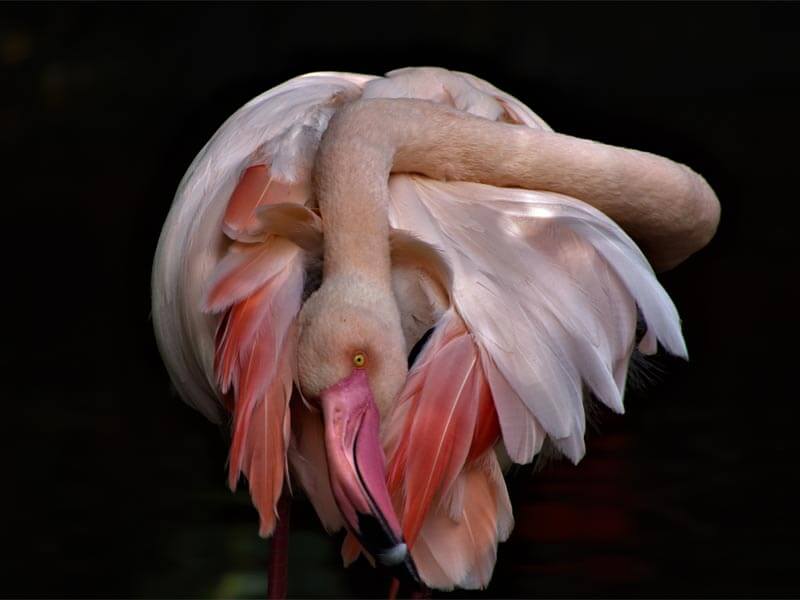
Embark on a riveting journey into the heart of South Africa's Kamfer Dam, where a daring rescue mission unfolds, revealing the incredible resilience of Lesser Flamingos and the unwavering dedication of a community determined to safeguard their natural heritage against the backdrop of environmental challenges.

Visit Birds of Eden - the Garden Route's very own free flight bird sanctuary in Plettenberg Bay, South Africa.
A true free-flight bird sanctuary
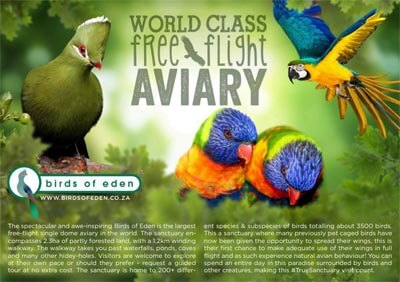
Birds of Eden's unique two hectare dome (the world’s largest) spans over a gorge of indigenous forest. Currently it is home to over 3,500 birds from over 220 species, with the main focus being African birds. Visits to Birds of Eden are usually self-guided, however guided walks are offered on request.
Support Birds of Eden
At present, Birds of Eden and Monkeyland cares for over 3500 birds and 550 primates. You can support our cause by visiting the sanctuary, visiting our shop, or volunteering.




Award-winning Sanctuaries
The South African Animal Sanctuary Alliance (SAASA) consisting of Monkeyland, Birds of Eden , The Jukani Wildlife Sanctuary and The Hidden Forest Wildlife Sanctuary are winners of the Lilizela Service Excellence Awards - Best Visitor Experience 'Wildlife Encounters'; Skål International Sustainable Tourism Award - Best Major Attraction; winner of the 'Best Animal Welfare Initiative' and overall winner of the World Responsible Tourism Awards.
Most recently, SAASA was declared winner of the 2023 Skål International Sustainable Tourism Award in the category of Major Tourist Attractions for The Hidden Forest Wildlife Sanctuary.


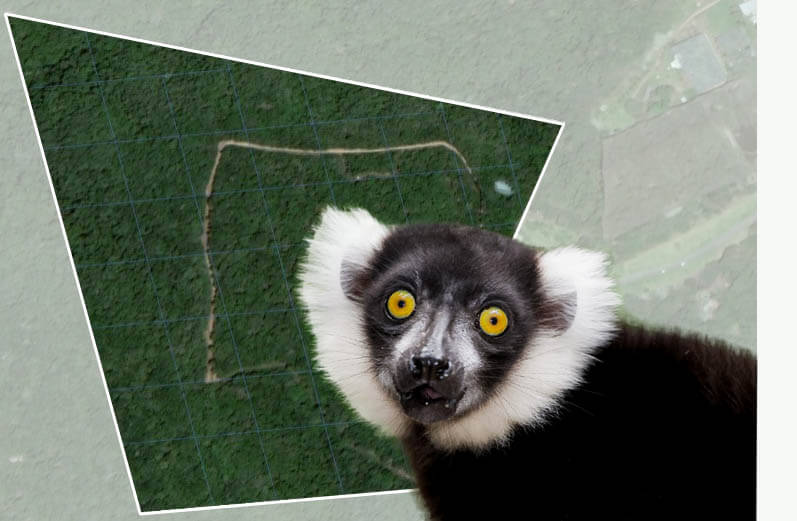
Our primates need your help!
For as little as $5 you can buy a square meter (or more)
of forest to help preserve our sanctuary.
TO PRE-PLAN YOUR ADVENTURE OUR RATES ARE:
- Single Tickets: R380
- Combo Tickets: R610
- TripTic Tickets: R760
- Children (aged 3 to 12): pay half price
- Babies 2 and under: Free
- Bookings not required
SPECIAL OFFER
Donate R1000 to SAASA and receive a voucher for our WackyWildlife special
This voucher includes a visit to Monkeyland, Birds of Eden, the Jukani Wildlife Sanctuary and an unforgettable Ocean Blue Adventures cruise.
Read More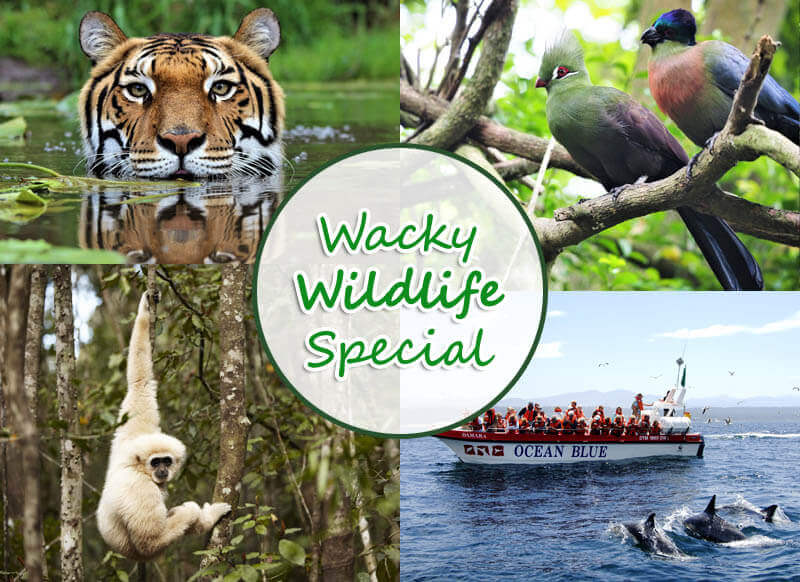
Frequently Asked Questions
Can visitors walk through the forest in Birds of Eden on their own?
Birds of Eden has a 1.2 km wooden walkway, along which visitors can stroll at their own pace. If required, guides for Birds of Eden can be pre-booked.
Can I touch or hold any of the birds at Birds of Eden?
No, touching and/or feeding of the bird is strictly prohibited. We don’t condone wildlife petting at our sanctuaries – it is a pure form of harassment.
Is Birds of Eden wheelchair accessible?
Yes, at Birds of Eden, we have easy access ramps for wheelchairs and we provide wheelchairs (to use) at our sanctuary for the elderly and visitors who walk with difficulty. It is always better to pre-arrange the use of our wheelchairs, so please contact us for assistance.
What else can I do near Birds of Eden?
You can bungy jump, abseil, go tubing, do a canopy tour, whale watch, hike, visit the donkey sanctuary, kayak, shop, horse ride, surfing, see the big 5, abseiling, sky dive, or you can relax on the beach. There is too much to do to list. Please email us for assistance.
Latest News

Empty The Cages: African grey parrots and the cruelty of confinement
Birds of Eden, the bird sanctuary in The Crags near Plettenberg Bay, is on an African grey parrot mission.

COVID crisis: 1,200 pet birds find sanctuary
This wild bird sanctuary near Plettenberg Bay became the go-to solution for pet birds whose owners were forced to give them up during Covid. It’s now also the home to the world’s largest assemblage of different types of turaco.
Get more information!
Send me an E-Brochure with rates and more!
Contact Us
Our Address
Monkeyland and Birds of Eden
The Crags, Plettenberg Bay, 6602
Turn off to Monkeyland & Birds of Eden from N2 highway
GPS: 33°57'52.0"S 23°29'01.6"E (-33.964434, 23.483778)
Map & Directions